



LINER NOTES is an interview series with the people behind the brand identities, narratives, campaigns, films, and editorial projects that define how startups and tech companies show up in the world.
Afterimage is building a refuge for creative professionals and artists disillusioned by the state of the technology industry. In 2026, the company launched an ad agency for startups that has partnered with companies like Cursor, Every, Reve, Avec, Pierre Computer Co., Turbopuffer, and others.
Josh Lee is a video director, editor, and a co-founder of Afterimage.
The following interview has been edited and condensed for length and clarity.
Katie Chiou: The Afterimage website declares that “the launch video is dead.” What does that mean to Afterimage?
Josh Lee: When I was leading video and production at The Browser Company from 2022-2025, we were in a video arbitrage period in tech where the industry just hadn’t caught up to the fact that video is the medium of our time. I’m proud of the videos we made at The Browser Company, but even the ones that were just average got a lot of attention because it was still novel for a startup to be putting out that kind of work.
By the time I left the company, that window had already shifted, and it was a very different landscape in terms of video and advertising, but my co-founder and long-time creative and business partner Cyrus and I still felt there was a gap in the market in terms of how people were approaching this kind of work—brand, comms, advertising, video, etc.
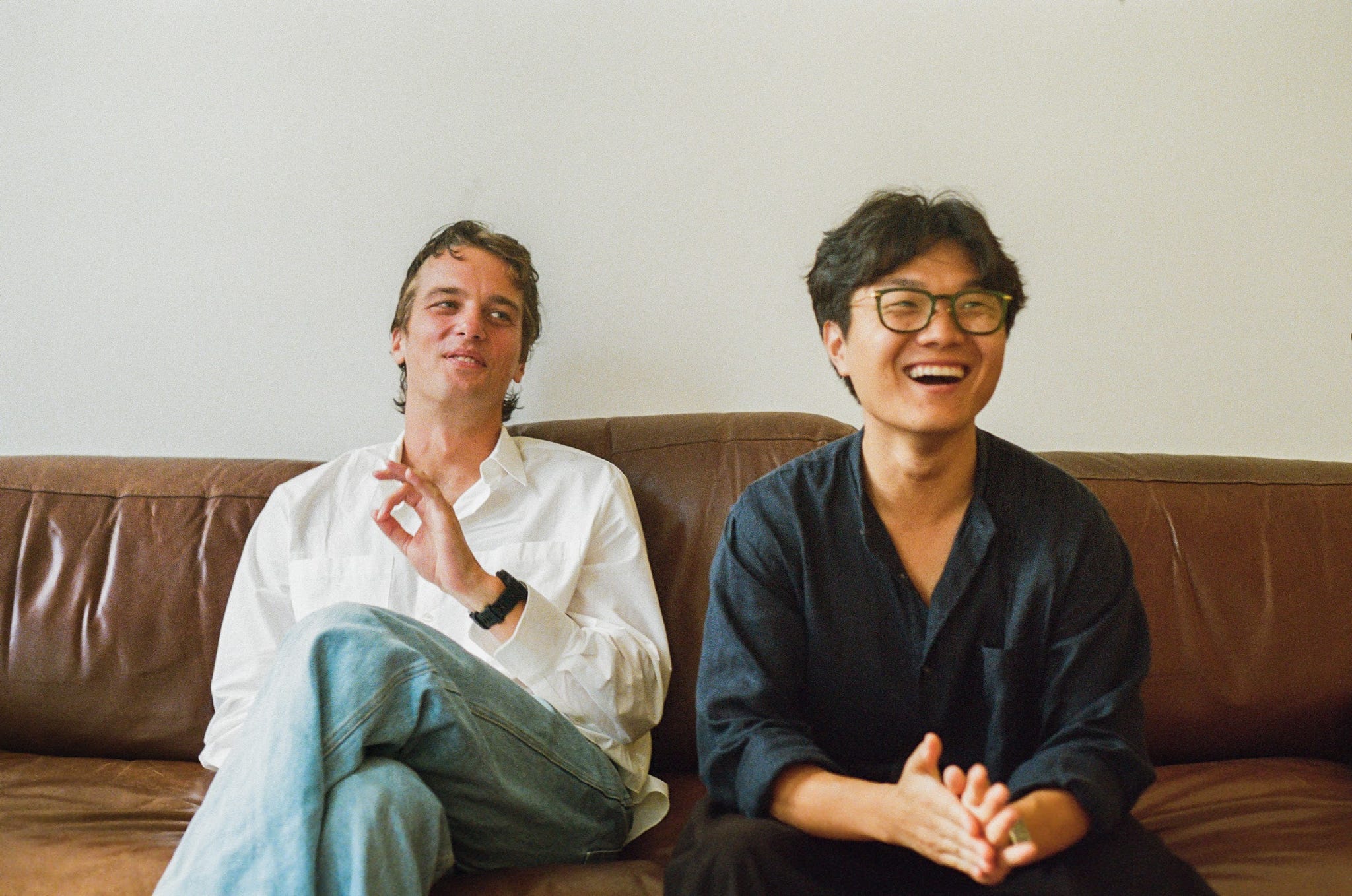
Startup videos tend to involve a lot of companies copying each other, founder talking-head videos, or copying high-production formats from other industries. We wanted to do much more rigorous work and create videos that only one company could produce and stories that only one company could tell.
We talk a lot with clients about the concept of confidence vs. desperation. When I scroll through my feed and see every company using the same launch video format, I see desperation. It’s the equivalent of founders and companies getting on their knees and begging you to pay attention to them. It looks and feels desperate. When it’s obvious you’re doing something just because it’s a trend, and you have no perspective of your own in terms of what you’re saying or how you’re saying it, that is not attractive.
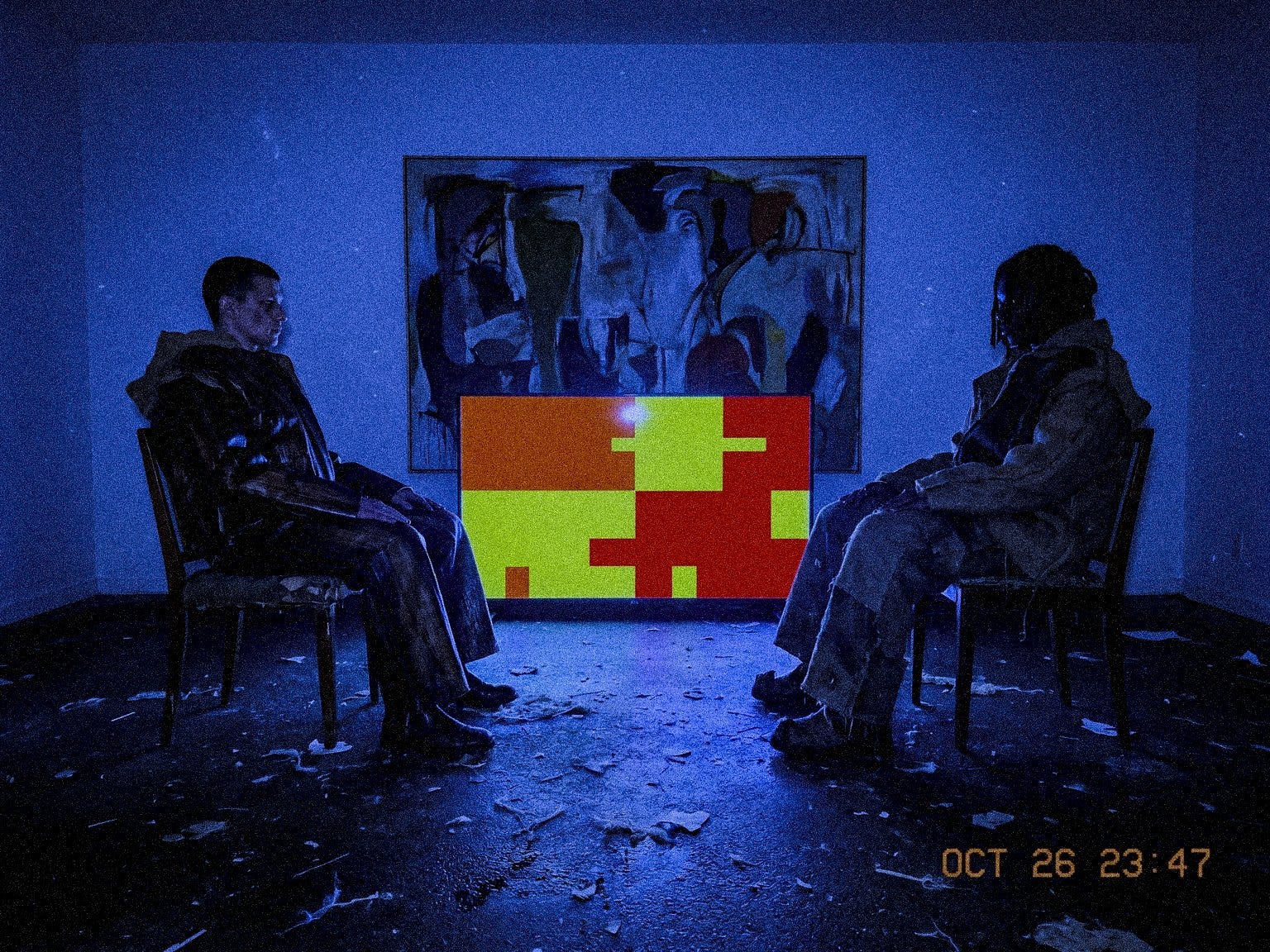
We always push the companies we work with, and ourselves, to show up in the world in a way that feels more confident. That doesn’t mean overly confident or pretentious. It means having something original to say, having a point of view, and having a way to express that formally.
When we say the launch video is dead, we mean that the idea that you can repeat a format everyone has seen, plug in the amount of money you raised, and expect it to move the needle does not work anymore.
I think the people who are paying attention have known that for a long time.
KC: Most people know Afterimage for video, but how would you describe what Afterimage is and its suite of services?
JL: Afterimage today is an ad agency that specializes in working with startups and tech companies. We help teams determine their narrative strategy, messaging, and how they want to tell their story to the world, and then we translate all of that distillation work into a set of video concepts and a full production that we run ourselves.
Concretely, Cyrus is a co-founder of Afterimage, we work together hand-in-hand on all business development, concepting, creative direction, scripting, editing, and so forth. On productions, Cyrus is often DP and EP, I direct, and Rae works as a Producer on projects really helping bringing concepts into reality.
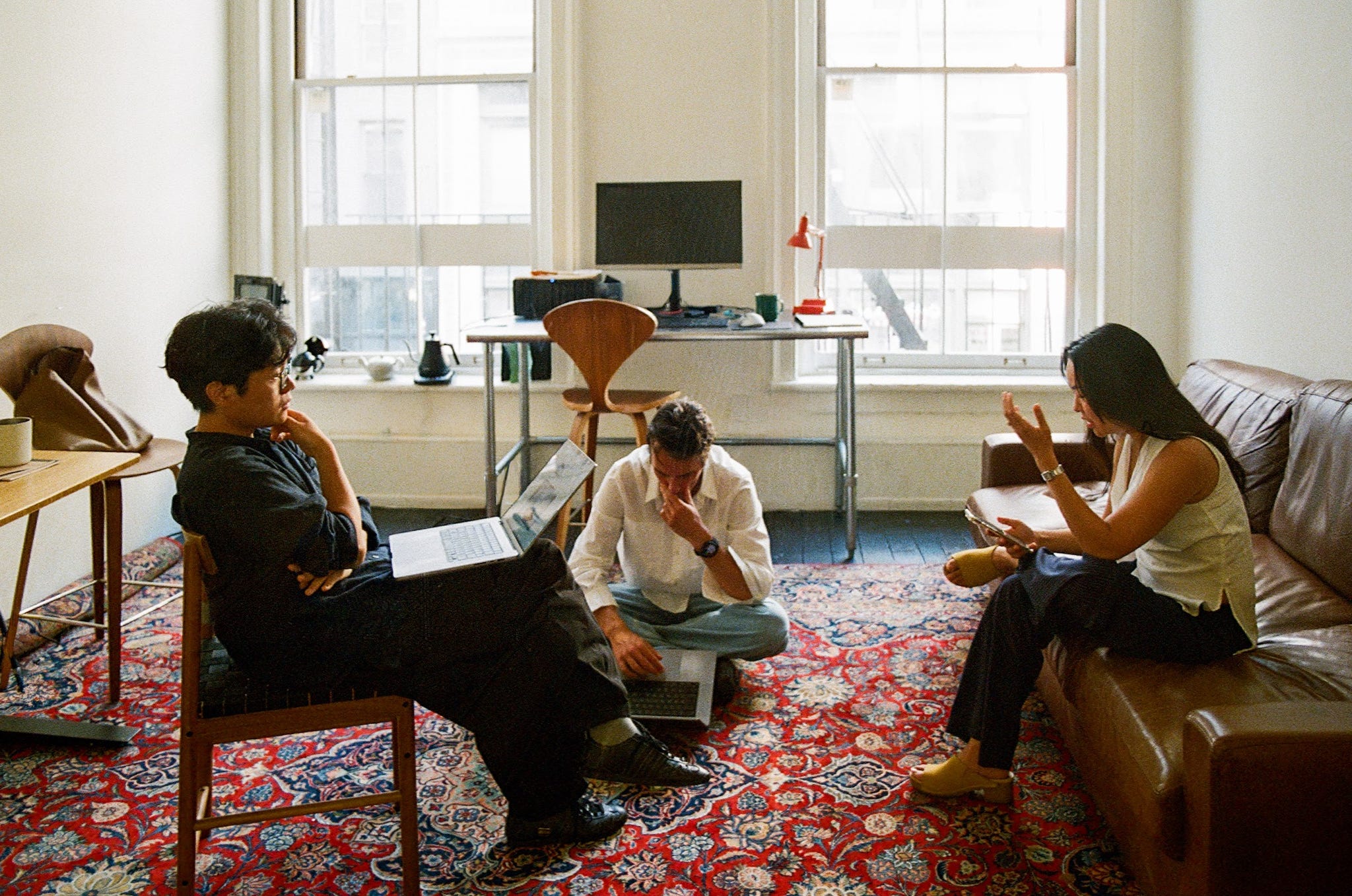
Every Afterimage project ends in a video. Sometimes that’s a single tentpole video, sometimes that’s a set of 5 commercials. But we have a strong belief that these videos live or die with the messaging and strategic decisions that are made way before you’re writing a script or on set—in the same way that the most important product decisions are made far in advance of touching code or Figma.
Jonathan, founder of Avec, describes what distinguishes Afterimage from the typical agency model: “On one hand, you might have filmmakers who are very good, but approach a project from the perspective of, ‘How can we design a video around this?’ with very little time spent on branding. On the other side, you can retain a creative agency that spends a lot of time on messaging, branding, and storytelling, but then externalizes the video component to a commercial director. What is very interesting about working with Josh and Cyrus is that those two sides are extremely integrated because they’re able to go deep on both processes. By the end of an engagement, you have a video asset, but the process that led to it has also helped you understand and shape the brand better.”
KC: Can you share more about your background/journey to starting Afterimage?
JL: I started off as a product designer working in startups. In college, I did product design internships at Facebook and the White House and did a lot of design work for startups. During my junior year, I decided to drop out of college and supported myself as a freelance designer. Soon after I dropped out, I ended up on my first film set where the director was Cyrus, and that’s how we met around 10 years ago. Being on that film set was a life changing experience, not because it made me decide that I had to make films, but because it was the first time I felt a part of a truly creative community.
After that, I kept doing freelance product design work, but also started directing documentaries, music videos, and experimental art. My goal was actually to leave the tech industry, but I ended up joining The Browser Company to spin up their video efforts. At the time, it was rare for someone to join a startup that small just to do video. We started by doing lo-fi BTS content, and then graduated over time to larger commercial productions. I left the company at the end of 2025 and started Afterimage with Cyrus in January 2026.
KC: How does Afterimage work with teams to get to a place where the work can come from confidence and not desperation? How is the process of working with Afterimage different from how it might look to work with another agency?
JL: Off the bat, it’s very standard practice for agencies to have to pitch concepts to companies in order to win a job. We don’t do that. You sign up to work with Afterimage, and we take you through a process to find a narrative and messaging strategy and then develop video concepts and production that support that.
The reason we work that way is because we strongly believe that if you, as a company, are asking people who basically don’t know anything about your company to come up with video concepts, you’re going to end up with concepts that are very generic that could apply to any company.

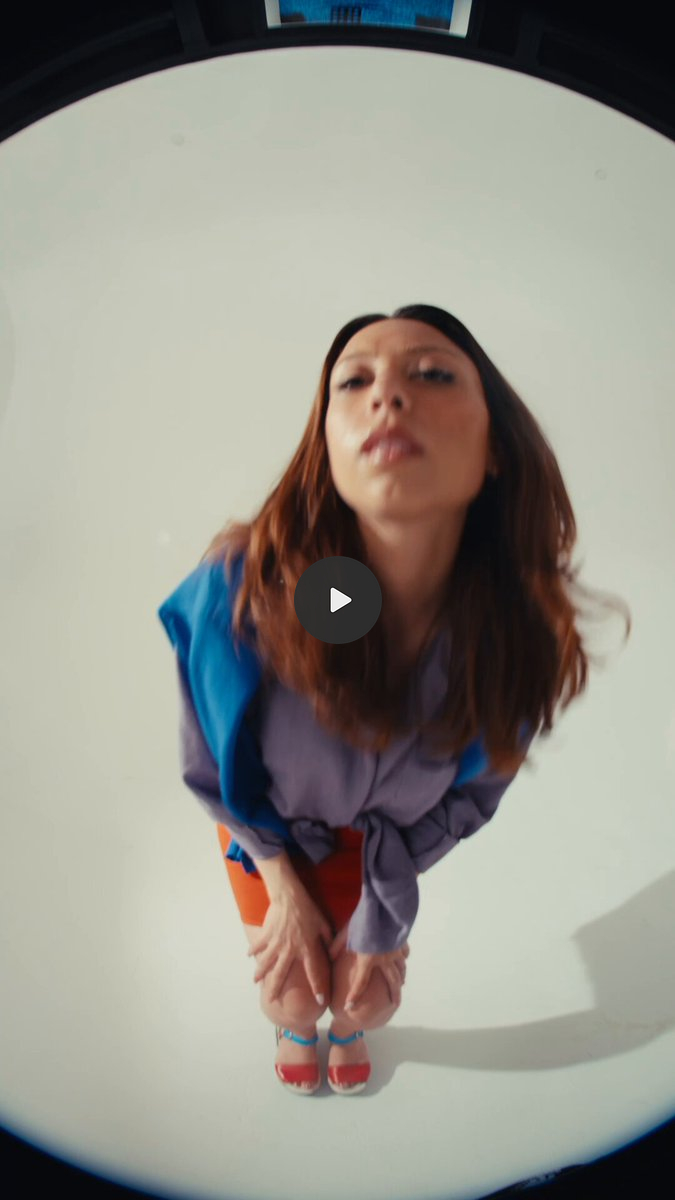
That’s one fundamental difference in how we work. Then, during the first weeks of working with us, we don’t even talk about video concepts at all. We call them “Ethos Weeks.” We become obsessed with figuring out what your company is about. How can we really distill what your company can say that other companies can’t?
Some of that work is about the messaging or the tagline or the video concept, but it’s also just about figuring out the intangible energy within the company. In a video or in a company comms product, you want to capture and represent that energy as best and as true as possible.
KC: During those “Ethos Weeks,” what exact things are you trying to uncover and how? Where are you looking?
JL: That exact process looks different for every company. There have been times when we’ve worked with a 5-person startup and we interviewed every person at the startup. We’ve interviewed investors of the company. We interview customers. It depends, but we believe in getting really, really deep. A lot of it is also just pretty intuitive. We follow our curiosity in trying to understand the business and to answer our own questions:
“What is the secret sauce here?”
“Is it this part of your technical approach?”
“Is it the democratization of this part of the product?”
KC: The clickbaity question on taste: what behavior tells you that a founder has taste vs. is just sending you a bunch of references? Also, what is a reference you hope everyone throws away?
JL: Sometimes, when you’re meeting someone new, you know very quickly if there’s a good energy. We try to trust our instincts around who we’d be really, really excited to keep talking about ideas with. Usually, your first instinct is right. I don’t know if I have a great answer other than that.
On references, it would be easy to say, “Stop sending ‘Think Different.’ Stop sending ‘Keep Thinking.’” But I actually don’t believe that. It’s always helpful to know, “Oh, you like ‘1984’ as an ad? Yeah, me too. It’s a great commercial.” I don’t care that it’s overplayed. It’s always a helpful input to know what founders like and don’t like.
I would rather the people we’re working with be super honest than pretend that they’re too cool to like the latest Anthropic or Coinbase ad. Let’s expand our reference points and make sure we’re not just looking at other tech companies. But if you like that ad, let’s look at it together and talk about what we liked and how we could do something that isn’t derivative.
KC: How involved should the founder be during the process in terms of creative input?
JL: The more, the better. When we’re working with a larger company like Cursor, obviously our weekly meetings are not with Michael. But when we’re working with a startup, we are almost always working directly with the founder every week.
As much input, reaction, and feedback from founders as possible is always helpful. It would never be too much because we are trying to build our intuition about the company in a very short amount of time. We have different strategies for doing this. Sometimes we’ll show a bunch of images—5 different sets of image directions—just to find out which direction the founder has a visceral reaction to. Even if they can’t explain it, even if they’re just like, “Oh, I just hate that,” that’s an input for us. It allows us to start building our intuition for what feels true to them.
We have expertise that we’re bringing to the table, but they are the experts in the company and in what feels right and wrong for the company. We can provide very honest feedback on what we think is compelling, or on things they’re saying that they like—maybe their darlings—that we think they should throw away. But ultimately, we defer to them and are excited to learn from them about the true DNA of the company and what feels correct to them.
KC: What is something you’ve changed about your process or how you approach working with companies throughout your time building Afterimage?
JL: This isn’t one specific thing, but we try to be very experimental and aggressive in prototyping what we view as our product, which is how companies work with us.
At the beginning of the year, everyone came to us and said they wanted one video: “We want one tentpole video.” Sometimes that’s what a company needs, but oftentimes it’s not actually the most efficient way for them to invest in a creative campaign or production, frankly.
So we’ve tried a variety of things. We’ve tried longer projects where we’re making 3 commercials. We’ve tried longer projects where we’re making 5 commercials, or one tentpole commercial in a world of supporting assets and photography.
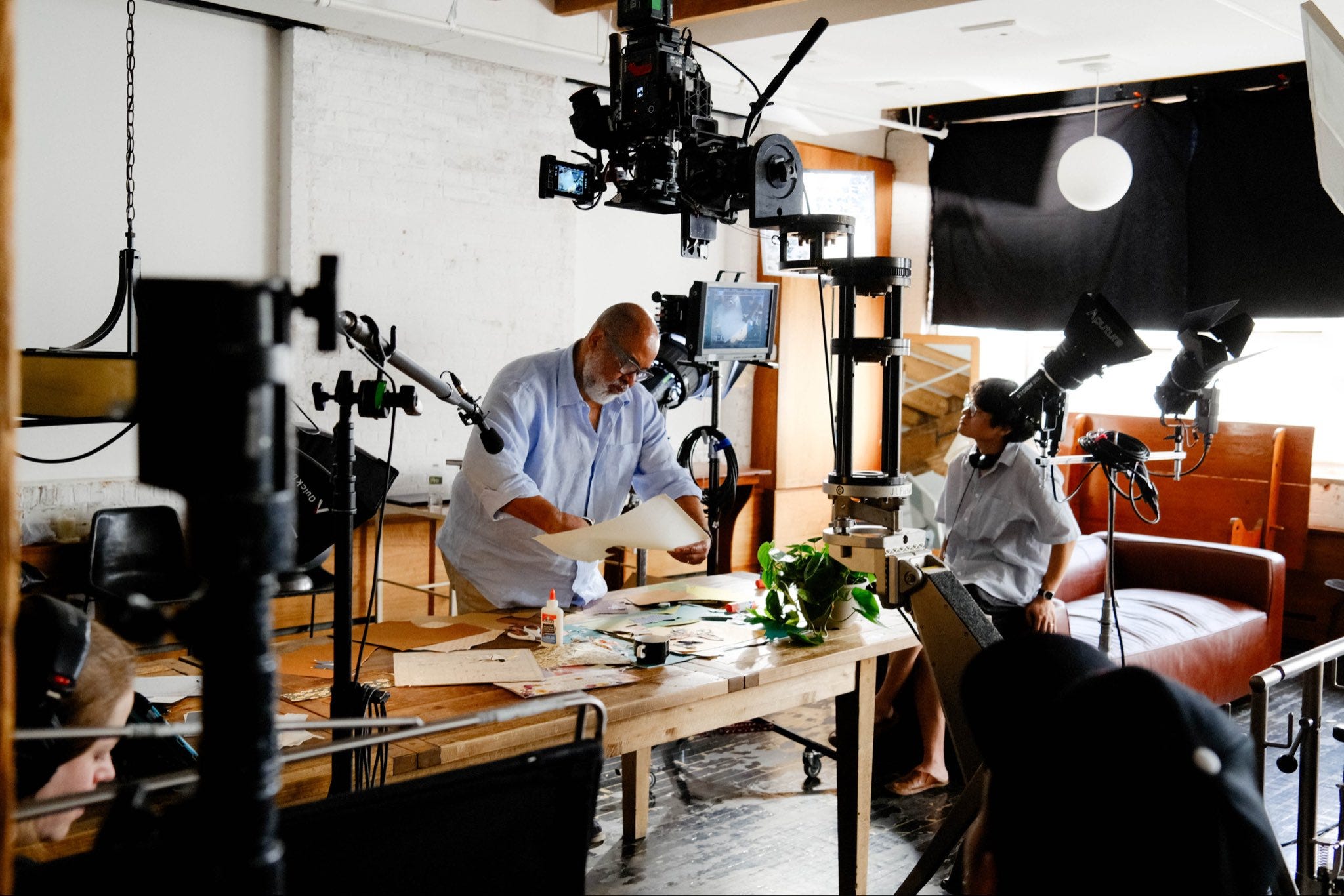
I don’t think we’ve landed on one way to do things. I don’t think there’s one thing that’s right for every company. But we take a very aggressively experimental approach to working with companies and don’t want to just settle for, “You’re asking for one video, so let’s take that at face value.”
We’re interested in digging past that to understand the need and whether what you’re asking for is actually what you need.
KC: Stepping back from Afterimage specifically, how would you describe the role of an agency to a founder in 2026?
JL: When we started Afterimage, I did actually wonder if what we were doing was outdated. Like, was all creative production work just going to go in-house to these companies? Obviously, those people will always have more context and familiarity with the company.
But having an outside set of eyes can be very valuable. When we work with companies, we really try to be honest with companies and hold onto our first impressions, saying something like “Hey guys, I know you love this tagline internally, but just so you know, it doesn’t make any sense to someone on the outside.”
Jonathan also says that Afterimage’s unique superpower is being strongly opinionated: “Most brand people will try to please you. They’ll interpret what you want and dress it up because they don’t really want to tell you that you’re wrong. Josh and Cyrus have told me when they think I’m wrong or that they fundamentally disagree with me, which is very unusual. They can get to a level of confidence in their opinions that I think is very rare.”
As an agency, we’ve also just worked with companies as big as Cursor, as small as 5-person companies, and every type of company in between. Because we see how different companies approach this type of work in their specific industries and approach different problems, we’re able to compound our learnings and understandings of what works and what doesn’t and bring that to every client.
KC: When do you feel that a company is ready to embark on ambitious brand work, whether it’s just an energy or an articulation or having shipped XYZ thing?
JL: First off, an urgent business problem needs to exist that high-quality brand work can act as a high leverage lever against . We think about our work as very tactical, functional work that addresses specific business needs.
If you work with Afterimage, on the first call, we will not talk about anything else until we distill down: “What is the goal of this project? What does success look like? Who’s the audience?”
And if you say that it’s both investors and customers, we will not move on until you tell us which one is more important for the project, in the same way that if you were designing a product, you would have to make those decisions. So, I wouldn’t even think about it in terms of how big your team is or how much money you’ve raised, or even if you’ve done a messaging sprint to come up with your tagline. It’s about if you have a business need in which this work could be directly impactful.
Maybe it’s that you came out of stealth and raised 12 months ago, but you want to raise in another 6 months and you need to drum up anticipation of the next raise. Or something else. So that’s more how I think about it.
KC: Oftentimes for a startup, your buyer/user and the talent that you’re trying to attract are extremely different. How do you think about creating a campaign that appeals to multiple audiences or are you of the opinion that you have to choose one.
JL: I feel very strongly that every piece of output of a company, whether it’s a blog post, a tweet, tentpole launch film, whatever, should have a very clear P0 priority in terms of who the core audience is. You can obviously put out different messages over the course of your lifetime as a company, or even in the course of a week or a day, that appeal to different audiences, but every single piece you put out should have a very clear audience that you’re designing it around.
That’s how you get to make really specific tough decisions on the creative and on the tone. Otherwise, when I see things that feel bland and for no one from companies, I think often it’s because there was no decision made on who it’s for.
KC: How do you think about the lifespan of a campaign or concept? Are you asking how long you want the assets to live for?
JL: Yeah, that’s right in line with defining the function of a product and what success looks like. We’re working on a project right now where we’re making an evergreen video for a company’s website that I think everyone hopes can live there for the next year. That definitely affects how you make the video vs. “We’re trying to take over Twitter for one day, and that’s the goal.” So, yeah, it’s definitely important.
KC: Are there channels you think are under- or over-invested in?
JL: There’s only one real tech company in the world with a real YouTube channel, and it’s Nothing. By “real YouTube channel,” I mean using the platform in a native way, not just as a repository for videos that you’re going to embed elsewhere. I still think that’s crazy.
I also think we’re nearing the peak of consumer UGC strategy. It feels like a clear race to the bottom. It’s very effective for consumer apps, and if I were running a consumer company, I’m sure I would be doing it too. But I think that meta is going to be over. If you’re able to find an audience on YouTube—and I’m not saying that’s right for every company—it’s engaged and enduring in a different way.
If Afterimage started doing 6 month embeds at companies, there would probably be more opportunity to say, “Okay, let’s shape distribution strategy.” But because of the way we currently work, which is in 6-8 week sprints with companies, we’re following the company’s lead in terms of where the video should go. Usually, with some exceptions, YouTube is not the priority platform, and we’re not really in a position where our role in the project is to change their social strategy in 6 weeks.
KC: What’s a misconception you think tech founders have about brand work?
JL: There was a time when I was giving a talk on some of these topics at The GP in San Francisco, and someone came up to me after the talk and said, “We’re actually a really, really boring company. We’re trying to be like IBM. I don’t know if it makes sense for us to do the kind of aggressive brand work you’re talking about.”
And I was kind of like: IBM collaborated with Charlie Chaplin’s estate in the ‘80s to make a series of ads based on his “tramp” character. I think your conception of what safe businesses and B2B businesses are is slightly wrong.
There’s this idea that tech advertising was invented in the last 2 years, and that there’s a certain class of company being experimental, but it’s not for everyone.
Advertising has been around for a long time, and companies you might think of as boring probably did quite interesting advertising as a way to build their brand and company in ways you might not know about or might take for granted.
KC: Last question, what do you want working with Afterimage to feel like, beyond just what the work looks like?
JL: I don’t know if this is the best answer, but the honest answer is that we want it to feel like a real high-end experience, like you’re in the hands of experts.
Almost like when you walk into a fine-dining restaurant. They take your coat, walk you right to your table, and the menu has your name on it and is handwritten for the day. You’re in their hands and feel taken care of by people who deeply care about their craft.
That’s what we want working with Afterimage to feel like. I’m not saying it always does. And we want to be people’s favorite call every week. We want to be a call on someone’s calendar where they look at it and they’re like, “Oh, thank God, I finally have that call.”
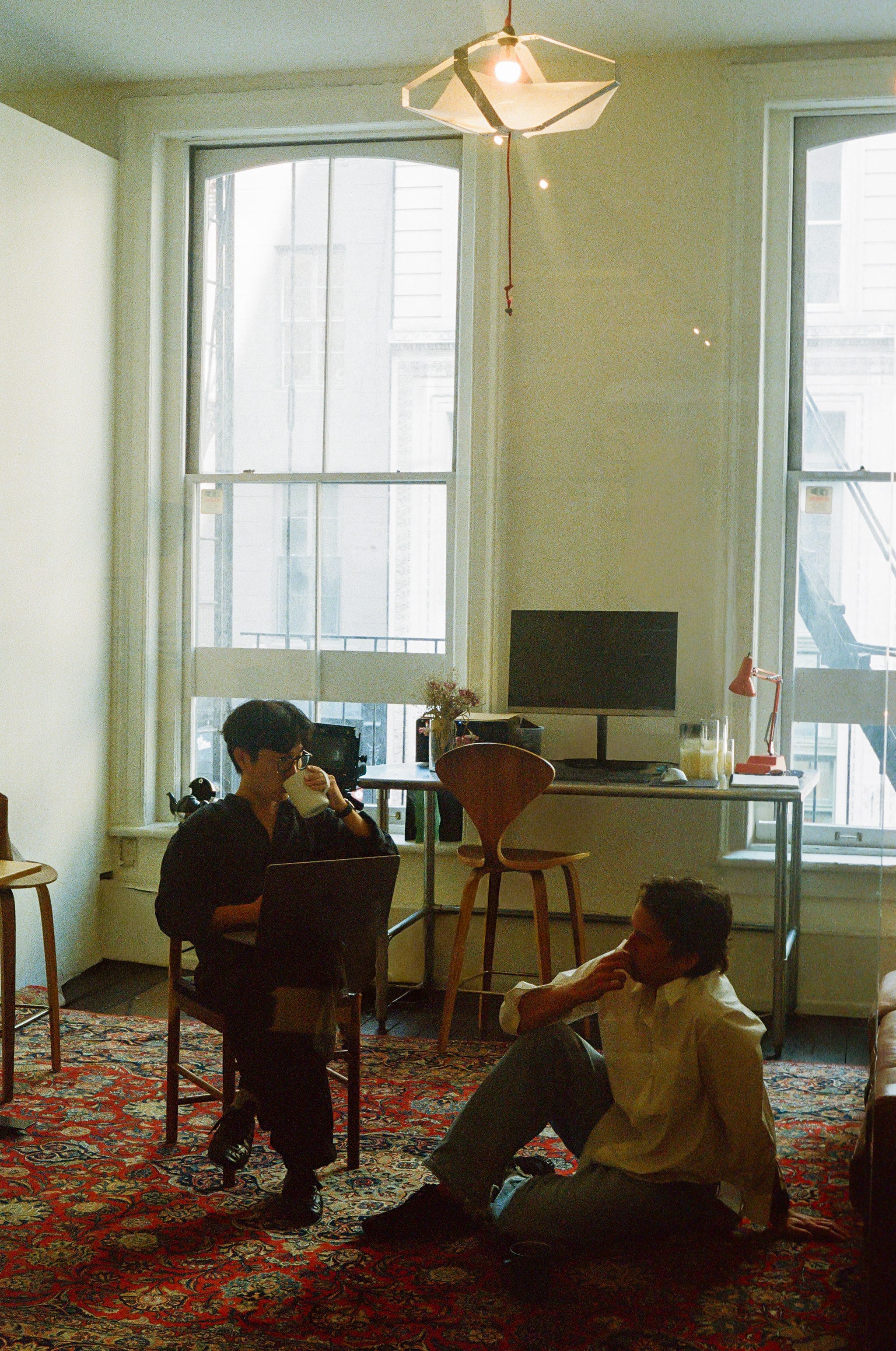
Photo Credits:
Afterimage studio photos: Gibson Chu
Production shoot #1: Afterimage
Production shoot # 2: Reve
LINER NOTES is an interview series with the people behind the brand identities, narratives, campaigns, films, and editorial projects that define how startups and tech companies show up in the world.
Great write up Katie!! Loved reading this :)